
My Areas Of Specialty
EMDR Therapy
Eye Movement Desensitization and Reprocessing (EMDR) is a powerful, research-backed approach to healing from trauma, loss, or painful life experiences that continue to affect you today. When distressing memories or beliefs get “stuck” in the nervous system, they can create patterns of self-criticism, fear, or shame that feel hard to shift. EMDR works by gently engaging your brain’s natural healing mechanisms—using eye movements, tapping, or other forms of bilateral stimulation—to help you reprocess those memories in a way that brings relief and resolution.
When past wounding goes unprocessed, it quietly informs your perspectives, choices, and relationships—even without your permission. EMDR helps interrupt that cycle by allowing your mind and body to release the charge those experiences still carry, making room for healing and change.


Navigating Critical Life Changes
Life transitions—whether chosen or unexpected—can shake your sense of stability and identity. Career changes, moves, loss, relationship shifts, or new chapters can leave you feeling unmoored, uncertain, or grieving what was. Even positive change can be exhausting when it asks you to adapt before you’ve had time to catch your breath.
Therapy offers a grounded place to slow things down, make sense of what’s shifting, and reconnect with what matters to you as you move through change.
Together, we’ll work on building clarity and resilience so you can respond to this season with greater confidence and self-trust. With support, periods of disruption can also become opportunities to realign with your values and move forward in a way that feels more intentional and sustainable.
Anxiety & Depression
Anxiety and depression can quietly take over your inner world. Anxiety often shows up as racing thoughts, constant vigilance, or a feeling that you can’t fully relax, while depression may feel like heaviness, low motivation, or disconnection from yourself and others. Over time, both can narrow your life and drain your energy.
Therapy gives you space to understand what’s happening beneath the symptoms, interrupt unhelpful cycles, and practice skills that bring more steadiness and relief into daily life.
Together, we’ll focus on calming your nervous system, reshaping unhelpful thought patterns, and strengthening supports that help you feel more balanced and engaged. Change doesn’t require forcing positivity—it grows from understanding, consistency, and care.


Trauma
Trauma can leave lasting imprints on how you experience yourself, relationships, and the world around you. Painful experiences—whether from childhood, relationships, or significant life events—may resurface in unexpected ways, leaving you feeling stuck, reactive, or unsafe. Healing is not about erasing the past, but about restoring a sense of choice, connection, and internal stability.
Therapy provides a safe, attuned environment where your nervous system can settle, your experiences can be approached with care, and healing can unfold at a pace that respects your boundaries.
Together, we’ll work gently to reduce the hold of past experiences, strengthen your sense of self, and build tools for regulation and resilience. With time and support, it’s possible to feel more present, empowered, and at home in your life.
Parenting
Parenting asks more of you than almost any other role. Alongside moments of joy, it can bring exhaustion, guilt, self-doubt, and the constant pressure to “get it right.” When stress piles up, it’s easy to lose sight of your own needs or feel disconnected from the kind of parent you want to be.
Therapy creates room to reflect, step out of survival mode, and consider new ways of responding that support both your child and your own emotional well-being.
Together, we’ll focus on strengthening connection, improving communication, and supporting you in parenting from a place that feels more regulated and aligned with your values. When you feel more supported and resourced, parenting can feel less overwhelming and more sustainable.

ADHD
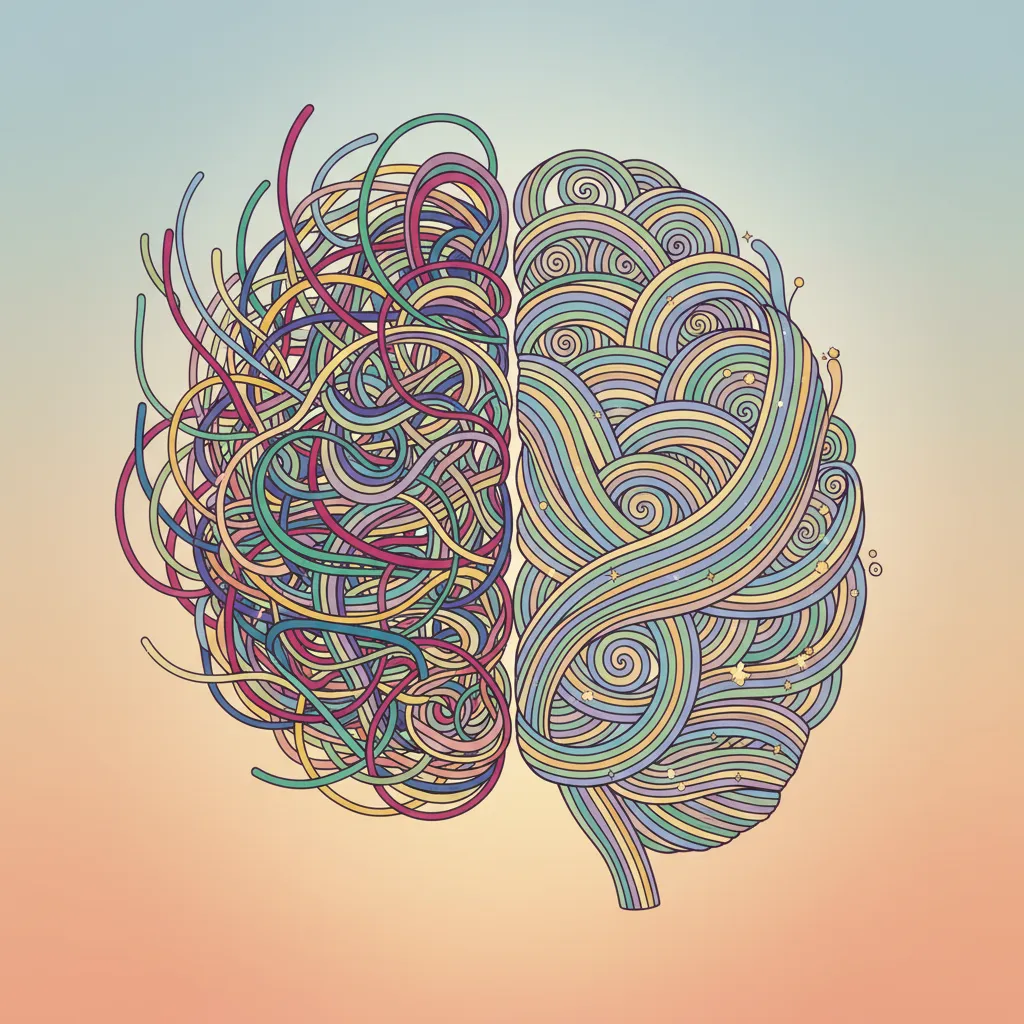
Living with ADHD can feel frustrating and discouraging. You may struggle with focus, organization, impulsivity, or restlessness, making work, school, and daily routines feel overwhelming. These challenges can also affect relationships and self-esteem, leaving you feeling misunderstood or “not enough.” The truth is, ADHD does not define you—and with the right support, you can thrive.
Therapy offers practical tools and strategies to manage symptoms, build structure, and create systems that fit your life. Just as importantly, it provides a compassionate space to address the emotional impact of ADHD, fostering confidence and self-acceptance.
Together, we’ll explore your strengths, identify what works for you, and help you develop consistency and move forward with agency and confidence.
Your First Step To Healing Starts Here
Schedule your free consultation and begin creating the change you want for your life.
.webp)
.webp)
